
How to Prevent Sexual Harassment in the Hospitality Sector
By Janos Laszlo
- compliance
- harassment
- UK law
- staff training
- workplace safety
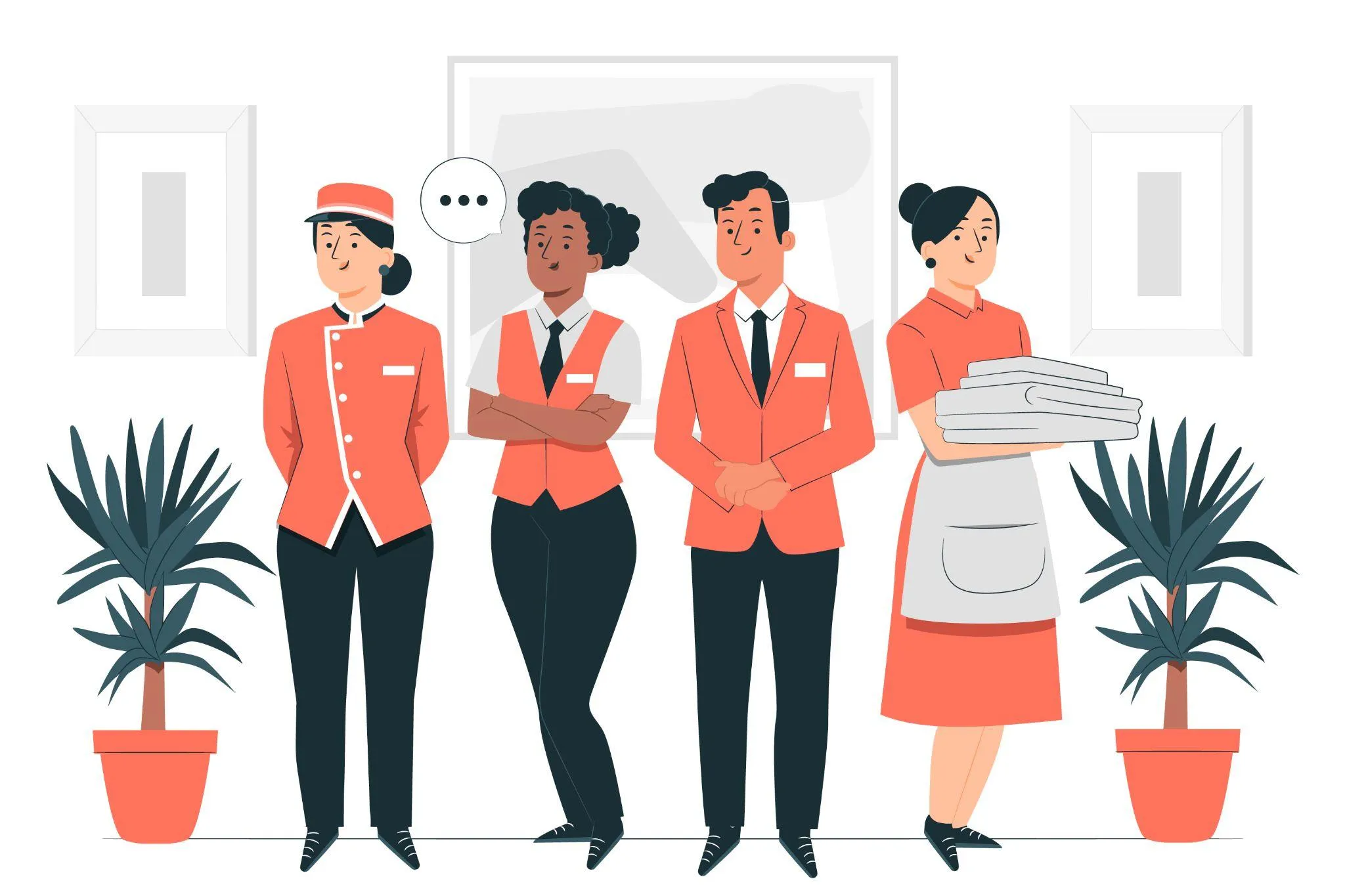
Sexual harassment in hospitality is not a new problem. A UNITE report found that 90% of female hospitality workers and 70% of male workers have experienced it at work. What is new is the legal landscape. Since October 2024, UK employers have a positive legal duty to take reasonable steps to prevent it. That changes the compliance picture significantly.
What are UK employers legally required to do about sexual harassment?
Under the Worker Protection (Amendment of Equality Act 2010) Act 2023, which came into force on 26 October 2024, all UK employers must take reasonable steps to prevent sexual harassment of their employees. This is a proactive duty, not a reactive one. Employers cannot wait for a complaint. They must act before an incident occurs. Employment tribunals can now increase compensation awards by up to 25% where an employer has failed to meet this duty. The Equality and Human Rights Commission can also take independent enforcement action.
Why hospitality is particularly high risk
The combination of factors in hospitality creates a structural vulnerability that other industries do not face to the same degree.
Late hours and alcohol are the most obvious. Incidents are significantly more common in environments where alcohol is served and shifts end late. The inhibition that alcohol removes applies to customers and, in some cases, to colleagues.
Power dynamics make the problem harder to address. Staff on zero-hours contracts or casual arrangements are less likely to report harassment because the economic consequence of doing so feels too high. Tips, shifts, and continued employment can all feel contingent on keeping guests happy.
The customer-first culture in hospitality has historically been used to justify tolerating behaviour from guests that would never be acceptable from a colleague. This framing needs to change. A customer’s spend does not entitle them to harass your staff.
High turnover compounds everything. New starters frequently do not know their rights, do not know how to report, and do not feel secure enough to act even when they do.
What reasonable steps look like in practice
The EHRC has published guidance on what it expects from employers. For hospitality operators, reasonable steps include:
A written anti-harassment policy. It must define what sexual harassment is, make clear that it applies to harassment by colleagues and customers, set out how to report it, and state what the consequences of harassment will be. Having a policy buried in an employee handbook that no one reads does not meet the standard.
Regular training for all staff. Training must cover what constitutes harassment, how to report it, and how to support a colleague who has experienced it. For managers, it must also cover how to handle a complaint correctly. Training completed once at induction and never repeated does not meet the standard.
A safe and confidential reporting process. Employees must have a route to report harassment that does not require them to tell their direct line manager, who may be the person they are reporting. A third-party reporting tool or a named HR contact achieves this.
Action when a complaint is made. The duty to prevent harassment requires that employers take complaints seriously, investigate them properly, and act on the findings. Operators who dismiss complaints, fail to investigate, or retaliate against the person who reported are exposed to significantly higher tribunal awards.
Customer harassment policies. Your obligation extends to harassment by customers, not just colleagues. Staff should have a clear process for reporting customer harassment and should know that management will back them. Displaying a notice stating that harassment of staff will not be tolerated sets an expectation with guests before anything happens.
The training requirement in detail
The EHRC guidance is explicit that training is a core component of reasonable steps. It should be:
- Role-specific: managers and supervisors need different training from front-line staff
- Regular: not a one-off at induction
- Documented: you need a record of who completed what and when
For multi-site operators, digital training is the only realistic way to deliver this consistently. Paper-based training records, verbal briefings, and laminated posters do not create the audit trail an employment tribunal or the EHRC will expect to see.
PocketTrainer’s Preventing Workplace Harassment And Bullying course covers the legal framework, what constitutes harassment, how to report it, and what managers are required to do. Completion is automatically logged and certificated.
If you want to see how PocketTrainer helps hospitality operators meet the preventative duty across their teams, book a 15-minute demo.
Final thoughts
The Worker Protection Act 2023 shifted the legal standard from responding to harassment to preventing it. For hospitality operators, that means training is no longer optional. It is a legal requirement with financial consequences attached. The operators who have a documented training programme, a clear policy, and a safe reporting process are the ones who are protected. The ones who do not are exposed.
Book a 15-minute demo to see how PocketTrainer supports this across your operation.