
How LPM built a training culture its staff actually use, with Pocket Trainer
By Janos Laszlo
- LPM
- LPM Dubai
- hospitality case study
- restaurant training
- hospitality LMS
- staff engagement
- F&B training
- Pocket Trainer
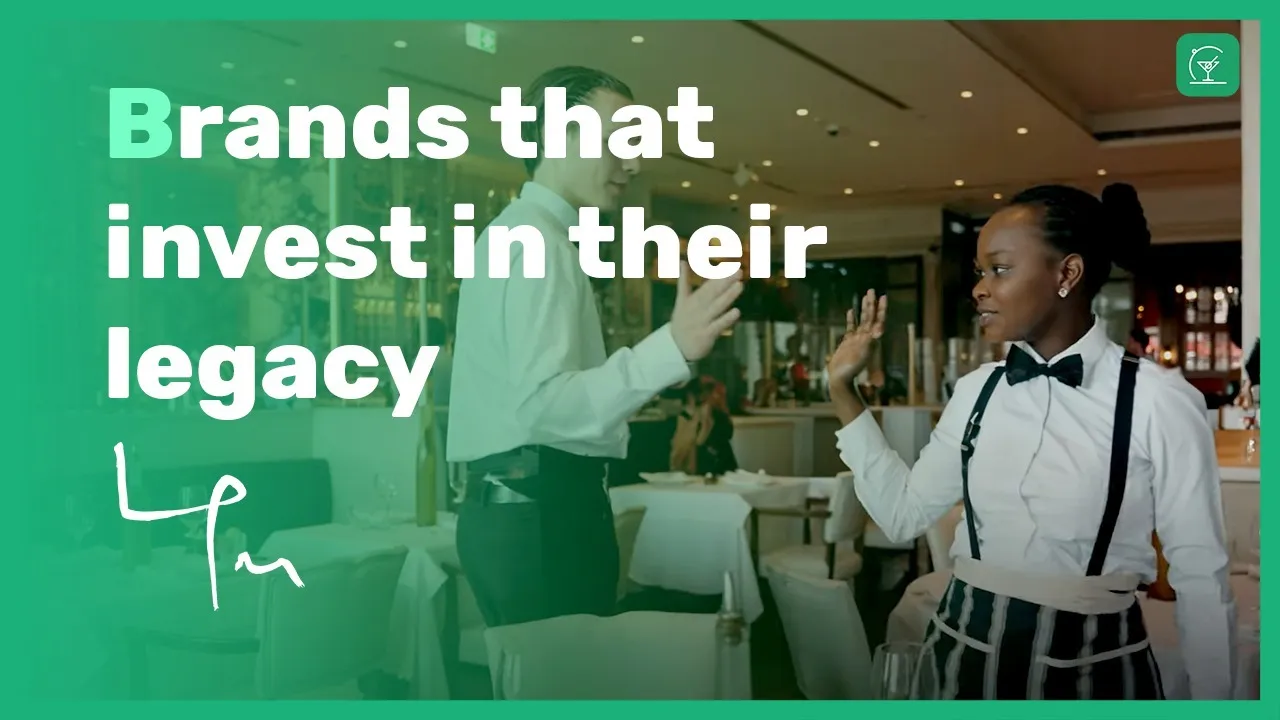
Most operators know the feeling of rolling out a training platform and watching it go unused. Staff don’t log in, completion stalls, and the tool quietly dies. LPM is the opposite case. It runs the highest engagement and completion rates of any Pocket Trainer client, and the reason is not the software. It is the culture the software was dropped into.
This is the story of how one of the world’s most acclaimed restaurant brands built a training culture its staff genuinely use, told largely in the words of the team who spoke to us in a series of interviews at LPM Dubai: a sommelier, two floor managers, and a regional training manager.
Who LPM is
LPM Restaurant & Bar is a globally acclaimed brand, born in London and now operating across several international locations. It is a guest favourite known for consistency, exceptional service, the kind of place where regulars order without looking at the menu. The Dubai branch alone has been an institution on the city’s dining scene for over a decade, and is ranked among MENA’s S.Pellegrino 50 Best Restaurants for 5 consecutive years.
A brand operating at that level, across multiple countries, faces a hard problem: holding the same standard of service and product knowledge across a large, multicultural team, in every location, as the brand keeps growing. That is exactly the challenge a training platform has to solve, and it is why LPM uses Pocket Trainer across its restaurants.
We asked Tomas Vega, a regional training manager at LPM, what sets the restaurants apart from the competition. His answer was immediate: “The people. Our people. I think our people make the difference.” When guests return, he said, it is because of the service and how the team makes them feel.
”LPM is a school”
The phrase that came up again and again from LPM’s team is that the restaurant is a school. “Every day is a learning day,” said Sarah Aringo, a floor supervisor who at the time of our interview had been with LPM for almost four years. “LPM is not just come and do your job, it’s a school.”
That mindset is why training engagement is high. Staff are not asked to use a platform on top of the culture; the platform serves a culture that already values learning. Sarah Aringo was direct about what keeps people: “It’s not all about just a salary.” When a restaurant invests in its people and gives them the tools to grow, she said, they stay.
Why does a training culture improve staff retention?
Staff stay when they feel they are growing, not just earning. LPM’s team linked its famously low turnover directly to investment in development: when talent is recognised and people can see a path to grow, they want to stay and grow further. William Mc Inally, a floor manager, described it as a snowball effect, where recognition and personal growth lead people to stay for many years. A training platform supports this by making development continuous and visible, rather than a one-off induction that is forgotten within a month.
Why LPM chose a boutique F&B LMS platform, not a generic LMS
When LPM was looking for a training platform, they were clear about what they wanted: an LMS designed specifically for the food and beverage industry, not a generic one. It had to be genuinely user-friendly, and it had to be customisable to how LPM actually works.
That last point matters more than operators often realise. A generic platform forces your operation to fit its structure. Tomas Vega highlighted the difference: “This is something super cool that we can do in the platform, we can customise the courses and the content as much as we want.” For a brand with its own standards, recipes, and service style operating across multiple countries, the ability to shape the content around the restaurant, rather than the other way around, is what makes staff recognise it as theirs.
If you want to see how a hospitality-specific platform can adapt to your operation rather than force you into a template, bring your venue-specific requirements to
Book a 15-minute demoWhat genuine adoption looks like
The clearest sign of a healthy rollout at LPM is something most operators never reach: the staff took the platform over.
Tomas Vega described the shift. “It started being a training tool, now the floor and the kitchen took over it. Now it belongs to the operation.” The team came to push management to add updates and new content, the reverse of the usual dynamic where managers chase staff to engage. “The guys really took the app as part of their daily duties, big time, and it’s helping them a lot.”
It became more than just a training tool. LPM used it for opening and closing checklists, menus accessible in two clicks, and even sharing the rota weekly. As William Mc Inally put it, everyone had immediate access to everything in one place, whether they were at home, travelling, on the bus, or on the metro.
How did LPM get staff to actually engage with training?
LPM engineered a reason to open the app every day. The team ran a monthly exam, plus a rotating food of the week, wine of the week, and cocktail of the week that staff were quizzed on. William Mc Inally explained the logic plainly: if you don’t check the platform, you won’t know these things, and when a guest asks, you’ll be caught short. “At the end of the day everyone is accessing because they want to shine when questions are asked.” Engagement was not forced through penalties; it was driven by staff wanting to perform well on the floor.
The modules the team valued most
Asked what they used most, LPM’s staff were consistent: the menu knowledge guides (digital food bibles as Pocket Trainer calls).
Lisa Allietta, a sommelier from the south of France, tend to rely on the wine guide, but valued having all food, wine and cocktail knowledge all in one place. “We cannot sell something if we don’t know it,” she said. The platform gave her every update, every dish, every drink, with videos showing how dishes are made.
For Sarah Aringo, it was the food and menu guide, because of how it taught: “You read it, you watch the video, it clicks altogether.” For William Mc Inally, food knowledge was a passion. He described the floor team as food ambassadors who need to know exactly what they deliver, how it is prepared, and where it comes from. For Tomas Vega, it was the courses.
The common thread is that the content earned engagement because it made staff better at their actual job.
What changed since implementing Pocket Trainer
LPM’s team was specific about the difference. Training used to be face-to-face only; afterwards the information was available anywhere, anytime. William Mc Inally called the result “definitely more precise, less margin for mistakes.” Tomas Vega pointed to onboarding: many processes now happened from a phone, and the new joiner’s experience was much smoother than before.
Lisa Allietta framed the bigger picture. Working with a digital platform is simply more useful: constant access, every update, every dish and drink, with videos. In her words, “I think this app was needed in the hospitality industry.”
The takeaway for operators
LPM’s results come from a culture that treats training as identity, supported by a platform built for F&B that staff can make their own, and rolled out consistently across an international brand. The lessons transfer: choose a tool that customises to your operation, give staff a daily reason to engage, and let the content make them better at their job. Do that, and adoption stops being something you enforce and becomes something staff drive themselves.
You can watch LPM’s team tell the story in their own words in our LPM testimonial video.
If you want to see how Pocket Trainer could work for your restaurant or group, explore our hospitality LMS and ready-made hospitality courses, then see how it fits your operation:
Book a 15-minute demo